
How to Make Storage Labels That Work in a Shared Small Room
Affiliate Disclosure: We may earn a small commission on qualifying Amazon purchases at no extra cost to you. Full disclosure →
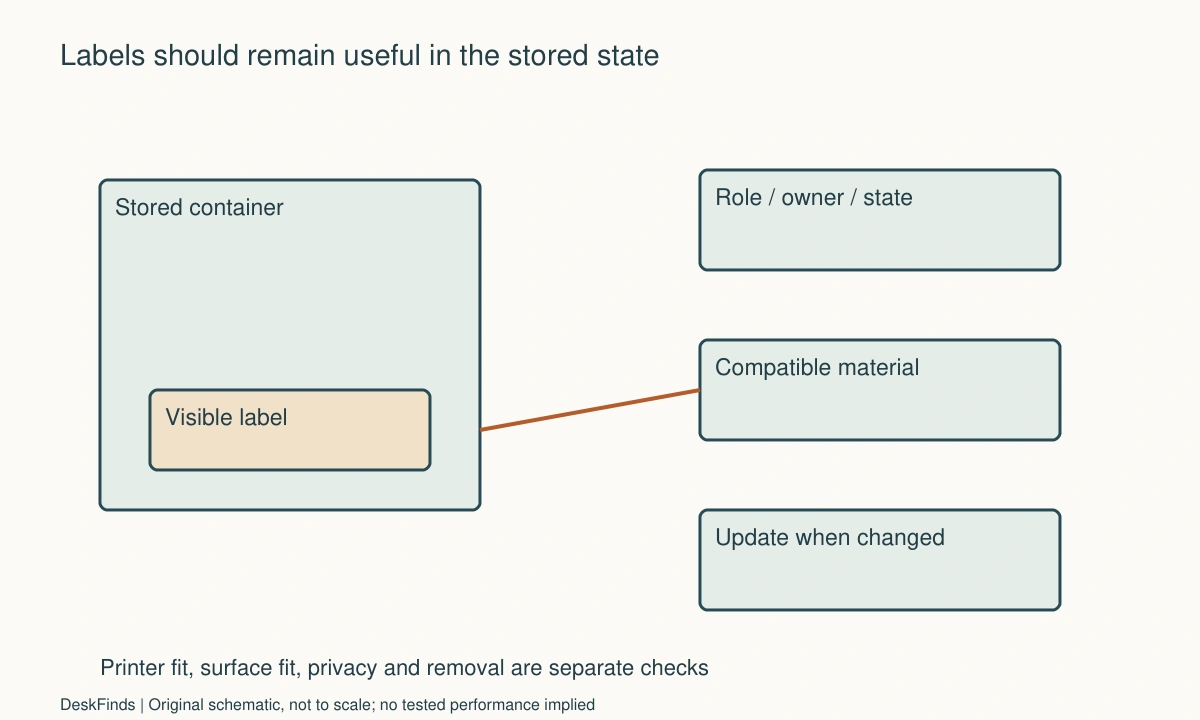
A label can make a storage box easier to find and still make the room harder to maintain if it becomes outdated, exposes private information, or damages a borrowed surface. In a small shared room, the best labels identify the next useful action or destination without turning every container into a permanent commitment.
Quick answer: Label the container’s role and access state in language the users understand. Check the exact label material and printer compatibility, and confirm surface and removal guidance before applying adhesive. Use an appropriate card holder or other supported non-adhesive method when a surface is uncertain. Keep labels readable in the stored position and update them when the contents or ownership change.
Decide what the label should answer
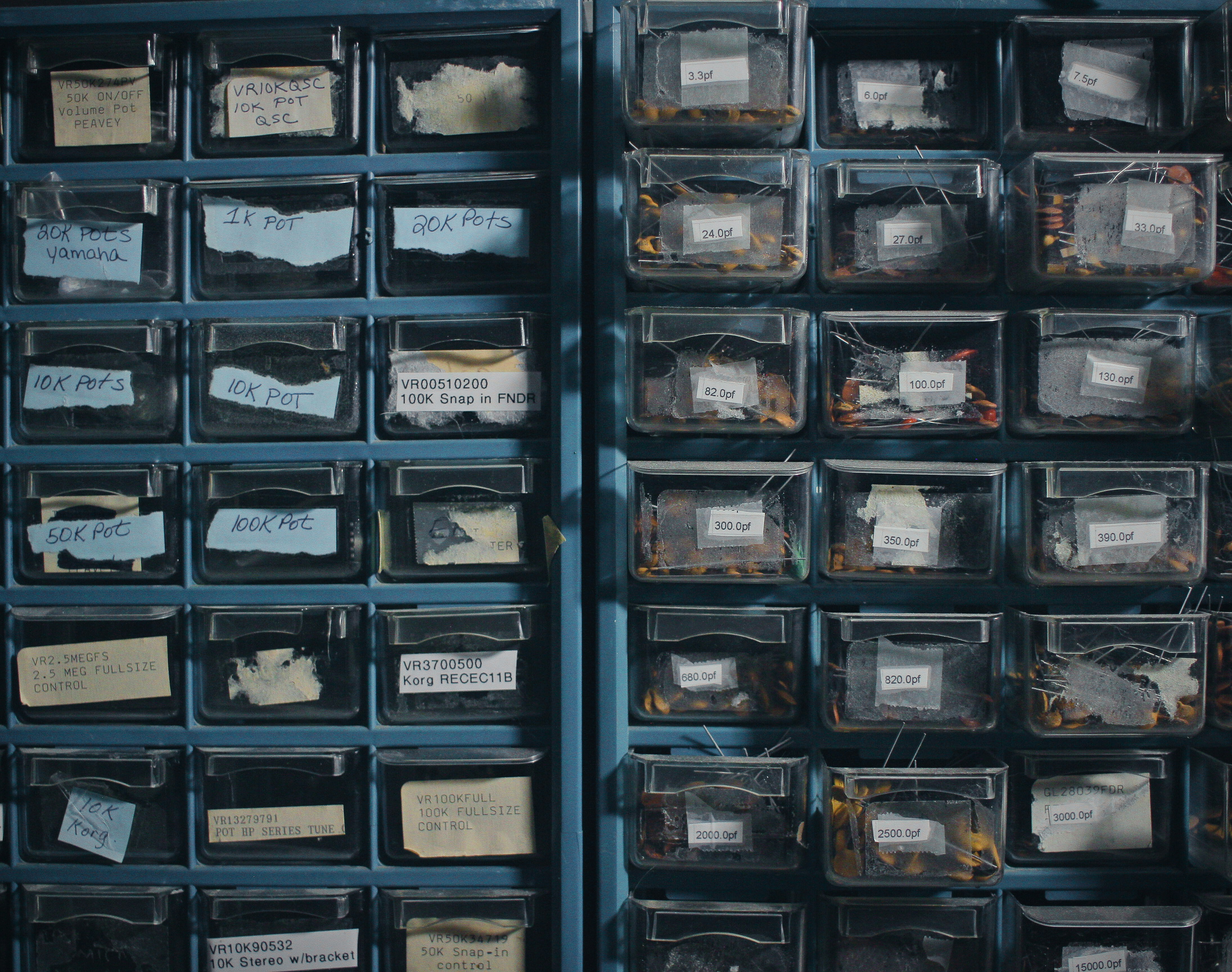
A storage label may identify ownership, contents, a task state, or a destination. Choose the question that matters at the moment of retrieval. A box marked miscellaneous may be accurate but unhelpful; a box marked spare desk cables gives a more useful search cue without listing every item.
Avoid making a label so specific that one small contents change makes it wrong. At the same time, do not use a broad category that overlaps every nearby container. Test the wording with the person who shares the room: can they choose the right box without opening several others?
For organizer categories, see desk organizer types explained. The label system should follow the physical storage arrangement rather than compensate for incompatible boxes or inaccessible shelves.
Separate stable categories from changing states
A long-term category such as winter accessories can use one label, while a changing state such as return this week needs another method. Consider a replaceable card or documented removable label for information that changes frequently. Do not repeatedly layer new adhesive over old labels until the front becomes difficult to read.
For shared items, distinguish ownership from permission. A name can identify who owns a charger, but it does not establish whether someone else may borrow it. Agree on simple room rules separately. Labels should make those decisions visible where useful, not act as a substitute for agreement.
When papers are involved, compare the pack-away scanning station guide. Incoming and reviewed are process states, not permanent document categories. Mixing those two kinds of label can cause unfinished work to look complete.
Match the material to the printer and surface
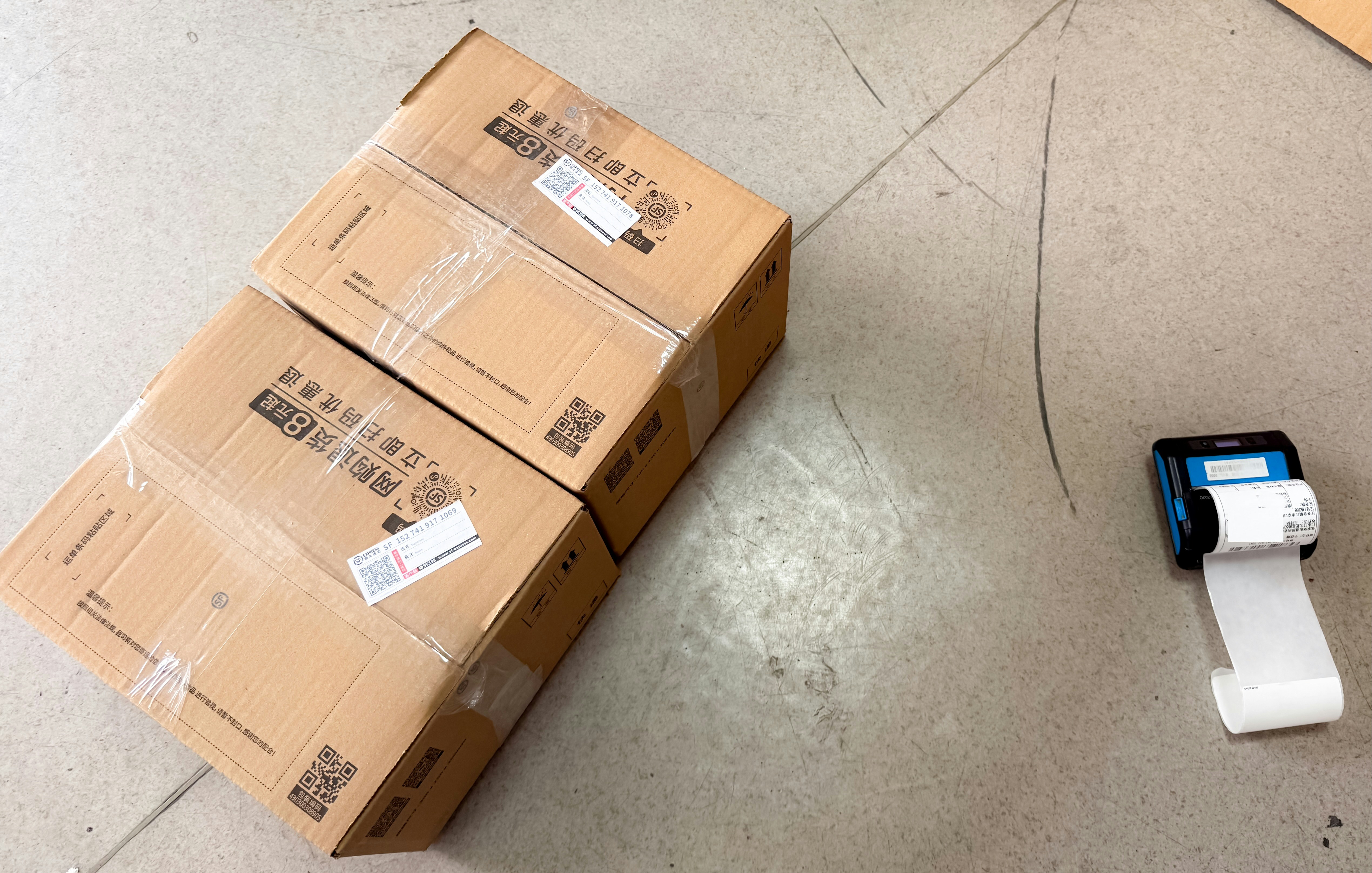
Check the exact printer or label-maker model and its supported consumable family. A roll that fits visually is not automatically compatible. Different products can use laminated tape, paper rolls, or other materials with different instructions and intended applications.
Brother’s label information distinguishes specific supply types, including removable paper products for compatible printers. Do not assume those rolls work in every P-touch device or that all labels from the same brand share the same adhesive. Record the actual consumable code when comparing replacement cost and availability.
Read the surface and removal guidance. A label called removable is not a guarantee of damage-free removal from every paint, veneer, plastic, or fabric. If the finish is unknown or belongs to rented furniture, use an appropriate supported non-adhesive option rather than testing an adhesive casually on an important visible area.
Make the label readable in storage
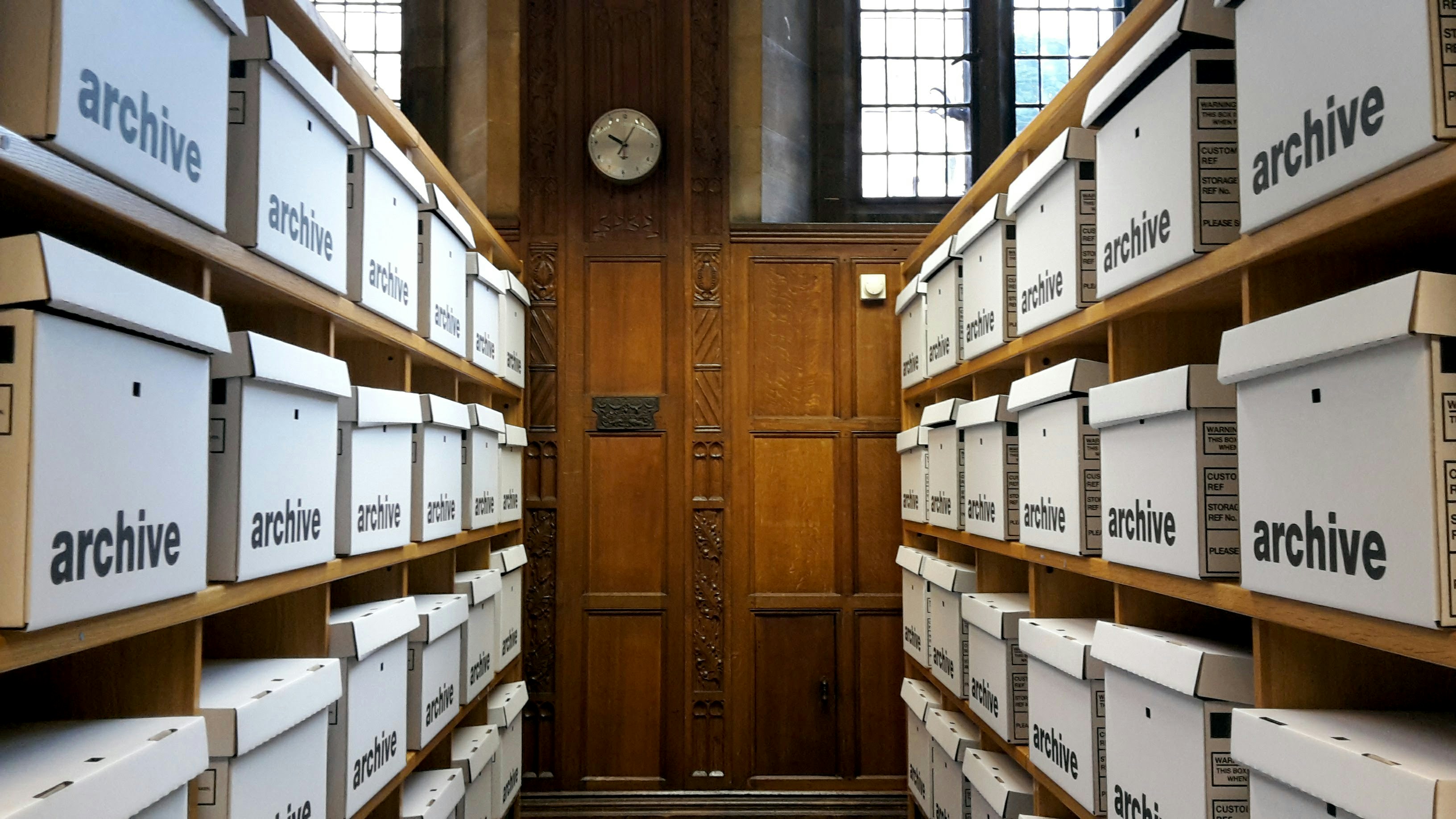
Check the container at its actual shelf height and orientation. A top label can disappear when boxes are stacked; a low front label can be hidden behind a shelf lip. Put the identification where it can be read before the box is moved, using an attachment method compatible with the container.
Choose wording and type size based on the viewing distance and users, not a miniature design preview. Keep contrast clear and avoid relying only on color. Two people may interpret a color code differently, and poor lighting can make subtle distinctions hard to see.
For a box accessed from more than one side, consider whether a second compatible label or a consistent orientation is appropriate. Do not cover handles, vents, warnings, product information, or a latch needed for use. Identification should not obstruct the container’s actual function.
Keep private information out of public view
Use a useful category without exposing unnecessary detail. A box of personal records does not need an account number or a description of sensitive contents on its visible front. Follow the relevant household or organizational requirements for the material stored inside.
A label is not a lock or access-control measure. If an item requires restricted access, choose an appropriate storage arrangement rather than relying on a vague title to keep it private. Likewise, a cable labeled work does not make it acceptable to share a managed device with another computer.
The USB sharing guide illustrates why physical identification and electronic ownership are different. Labels can help distinguish leads and hosts, but they should not hide the need to verify which computer currently receives input or owns a connected device.
Build an update routine before printing many labels
Start with a small group of frequently used containers. Apply the system using materials and methods supported for those surfaces. Check whether people retrieve and return items correctly. Revise unclear wording before producing labels for every drawer and box in the room.
Keep a small record of category names if several similar containers are involved. Avoid two labels with nearly identical meanings unless the distinction is obvious to the users. A system that requires a separate dictionary for ordinary belongings may be too elaborate for a dorm or compact bedroom.
The label maker value guide can help compare printing with simpler methods. A printer is worthwhile when it supports an ongoing useful routine, not merely because a first batch of matching labels looks tidy.
Worked example: the label stayed while the contents changed
Imagine a hypothetical pair of roommates using identical boxes on a high shelf. One box is labeled winter clothes, but it gradually becomes a place for spare bedding. The original label remains because replacing it seems like extra work. Both roommates start opening several boxes to find the right item.
The problem is not unreadable printing or insufficient storage. It is a mismatch between a changing category and a label treated as permanent. The roommates agree on broader but still useful categories and a simple update rule: when a box’s role changes, its identification changes before it returns to the shelf.
They compare a compatible removable-label product with suitable card holders. The furniture finish is not used as an adhesive test surface. Labels go on the actual containers using a supported method, at a position visible from the floor without moving the stack. Ownership is added only where it matters, using non-sensitive wording.
In this hypothetical case, the result is a smaller number of clearer labels and a repeatable update action. The roommates do not need to list every garment or buy a printer with advanced features they will not use. The example does not claim that a particular adhesive removes cleanly from an unnamed surface; it shows why category maintenance matters as much as initial printing.
Use labels to support returns, not just retrieval
Check where an item goes after use. A cable box that is easy to identify but difficult to open will still attract a pile beside it. A label cannot repair an inaccessible lid or a container placed behind a daily-use object. Improve the physical return route as part of the system.
For portable equipment, label the container or compatible accessory in a way that survives the expected routine without obstructing operation. The headset hanger guide covers storage movement for a different object: its lesson is to include the full loaded and retrieval state rather than just the empty support.
When a container is emptied, remove or update obsolete information through the material’s documented method. Do not use solvents or scraping tools on a surface without appropriate guidance. If a label cannot be removed as expected, consult the product and surface instructions rather than escalating through improvised remedies.
Account for move-out and reuse
A dorm or rental room changes over time. Choose identification that can be maintained on your own containers without assuming permission to alter furniture. Keep the intended removal process and any restrictions with the label material. A reusable holder may suit frequently changing categories when it is compatible with the box.
Do not print permanent room numbers, addresses, or personal details on every object unless there is a clear need. A simple ownership code may be enough for shared storage, while travel or return labels have a different purpose. Use the minimum information that helps the intended user.
Pack spare cards or compatible consumables with the organizing supplies so updates do not stall. A system is more likely to remain useful when changing one label is an ordinary small task rather than a project requiring a new purchase.
Six checks before labeling the room
Useful wording
Ask what the user needs to know before touching the container: owner, contents, state, or destination. Choose one clear primary answer. Avoid overlapping categories and vague terms that apply to several boxes. Test the wording with another user where relevant, then revise it before making a large matching set that would be inconvenient to replace.
Consumable compatibility
Record the exact printer and supply code, including material and adhesive type. Do not assume a removable roll fits a tape-based label maker or that one brand’s products are interchangeable. Include replacement availability in the purchase decision. A label system should be maintainable after the first supplied roll is used, without relying on uncertain substitutes.
Surface and removal
Check the container material, finish, and both products’ instructions. Use an appropriate non-adhesive alternative when compatibility is uncertain. Do not treat a removable claim as universal protection for painted, veneered, or rented furniture. The removal plan belongs in the initial choice, not only in the final move-out cleanup.
Stored visibility
Read the label from the actual approach and shelf height. Include stacking, handles, shelf lips, and ordinary lighting. Keep contrast clear and avoid relying only on a color code. A beautifully printed label hidden on top of a box does not help select that box before it is moved, which is often the reason for labeling it.
Privacy and permissions
Use non-sensitive wording that is sufficient for retrieval. Keep access requirements separate from identification and agree on borrowing rules where necessary. A visible name does not provide security, and an unclear code should not be the only protection for private records. Choose the physical storage and access arrangement according to the contents, not the label’s appearance.
Update and return
Decide who changes the label when ownership or contents change, and keep compatible supplies available. Check that items can be returned easily to the named container. If a box is emptied or repurposed, remove obsolete information using the documented method. The system succeeds when the labels remain accurate through ordinary use, rather than only on the day they are printed.

Compare printed labels with replaceable cards
Printed labels can provide consistent wording and readable identification when the material, printer, and surface are suitable. Replaceable cards can make frequent category changes easier when used in compatible holders. A simple handwritten card may be enough for a small number of boxes. Compare maintenance and readability rather than assuming a printer is required for an organized room.
Include consumable availability and replacement cost. A label-maker purchase is less useful if the needed removable material is incompatible or hard to source. Keep the exact supply code with the device information. Do not substitute a stronger adhesive because it is available and assume the removal plan remains the same.
For shared containers, test the vocabulary before printing a full set. Two people can understand office supplies differently. A short trial with appropriate temporary identification can reveal which categories overlap and which boxes are difficult to return to. The system should reduce searching and support accurate returns, not merely create uniform typography.
A second scenario: labels faced the wrong direction after stacking
Imagine a hypothetical dorm room with several containers under a raised bed or on a shelf. The labels look clear while the boxes are arranged on the floor. After storage, a shelf lip or another container hides the identification, and the user must pull boxes out to read them.
The user checks the actual approach, viewing height, and retrieval route. The labels are repositioned through a method compatible with the containers, or a consistent orientation is adopted where it does not interfere with handles and latches. A second label may be useful on an accessible side when supported, but printing duplicates is not treated as a substitute for a workable storage position.
The contents categories are reviewed at the same time. A box used for weekly items should not be placed where reading its label requires moving several other containers. The physical access plan changes before the user buys more elaborate labels. Identification and retrieval are evaluated together, with the room’s ordinary lighting and users in mind.
The user keeps private details out of visible wording and avoids applying adhesive to borrowed furniture. If the existing label cannot be removed as expected, the material and surface instructions are consulted rather than using an arbitrary solvent. The revised plan includes updating identification whenever the box’s role changes.
This hypothetical example shows that label visibility is a property of the stored arrangement, not just the print size. A label can be perfectly readable in the hand and useless on a hidden top surface. The final system is checked before boxes are returned, so its benefit survives the transition from organizing session to ordinary room use.
Keep the system small enough to maintain
Start with the containers that cause repeated searching or mistaken returns. Avoid labeling every object simply because the printer is available. A few clear categories can be more useful than a dense hierarchy requiring users to remember several codes. Expand only when a new label answers a real retrieval or ownership question.
Review labels when a container is emptied, moved, or handed to another person. That event is a natural time to remove obsolete information through the documented method. Keep compatible spare cards or supplies nearby so the update does not become a delayed project. A label that remains accurate requires a routine as well as an adhesive.
Do not let ownership labels imply borrowing permission or security. Agree on shared-use rules separately and choose appropriate storage for sensitive material. A visible code can reduce confusion, but it should not be the only protection for private records or managed equipment. The storage arrangement and the label should each do the job they are suited to do.
At move-out, follow removal and surface-care guidance rather than treating every adhesive as equivalent. Keep reusable holders and containers together for the next room. A well-chosen identification method supports change: it remains readable while needed and can be updated without assuming that every future surface will tolerate the same material.
Sources and scope
- Brother DK4205 removable paper - Example of a specific removable consumable for compatible printers; not universal surface or printer compatibility.
- Brother label-maker manual - Supports checking material, environment and surface conditions; not a damage-free removal guarantee.
Editorial note: This is a research-based planning guide, not a hands-on product review. All worked scenarios are hypothetical. Measurements and compatibility must be confirmed for the exact equipment. Photography supplies context, not proof of a tested arrangement.
Photos are illustrative and come from free-license libraries such as Unsplash; diagrams are original to DeskFinds.