
How to Fit a Chair Mat on Carpet Near a Door
Affiliate Disclosure: We may earn a small commission on qualifying Amazon purchases at no extra cost to you. Full disclosure →
A chair mat near a bedroom door has two jobs to satisfy: supporting the chair’s intended rolling area and preserving the room’s access. A rectangle that fits under the desk can still catch the door, leave a caster dropping off an edge, or block the route used by another person. Choose its floor compatibility and deployed footprint together.
Quick answer: Identify the carpet and underlay conditions, then choose a mat documented for that surface and intended use. Map the chair’s actual caster travel, door swing, and walking route before comparing shapes. Include the mat’s thickness and any lip. Do not force a door over a mat, trim it without permission, or use a hard-floor product on carpet because its dimensions fit.
Check the floor before the shape
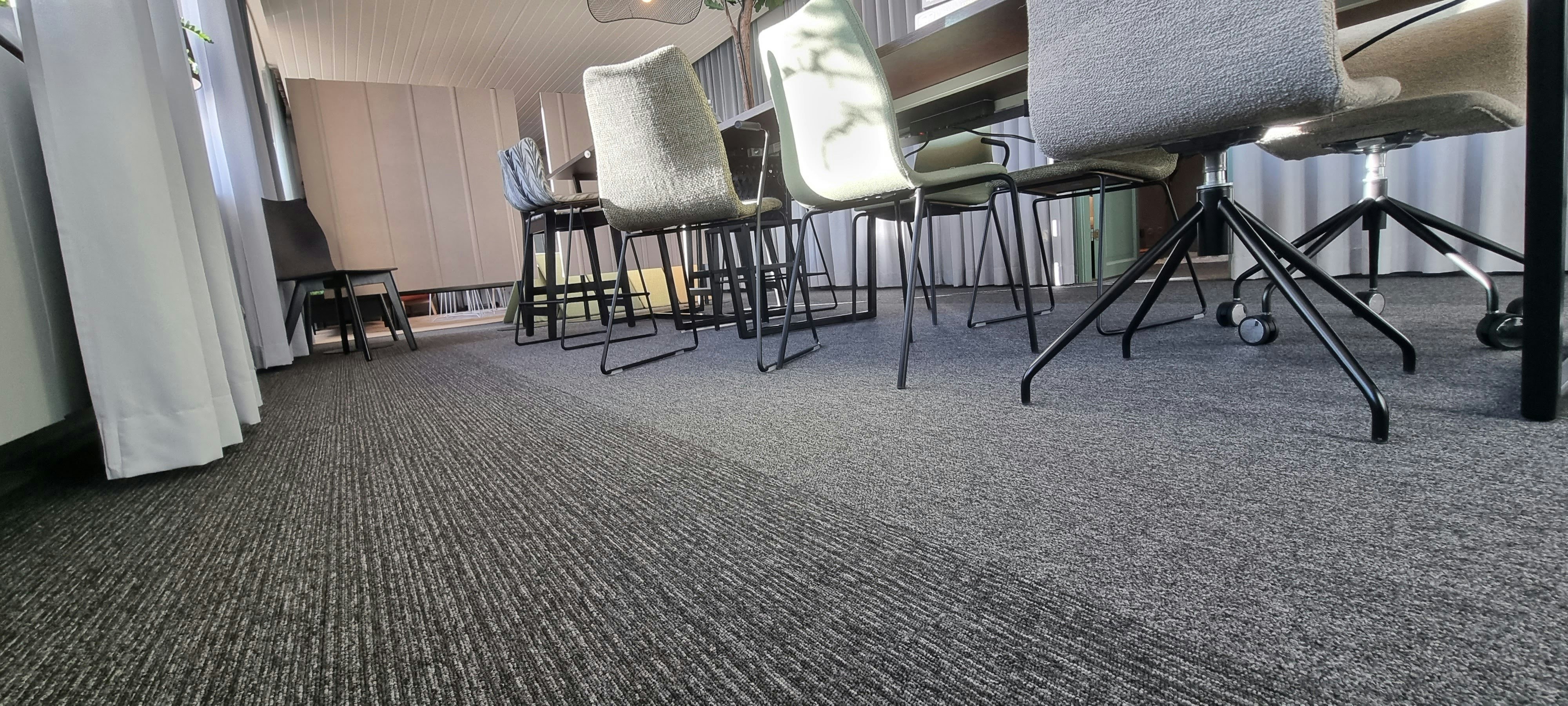
Read the mat maker’s floor-selection guidance. Carpet type and depth, underlay, usage, and applicable load limits can affect the choice. A generic carpet label may not be enough for a thick or unusual installation. Use the maker’s specified measurement method rather than guessing from how soft the carpet feels.
Floortex’s selection guidance distinguishes mat suitability for floor conditions. Treat its product categories and instructions as model-specific information, not a universal claim that one material is best on every carpet. If the floor or mat warranty has conditions, include those in the decision before purchase.
The chair mat types guide helps organize the shortlist. The chair mat versus caster upgrade comparison is useful when you are deciding whether a mat addresses the actual problem, but replacement casters also need their own compatibility check.
Observe where the casters travel
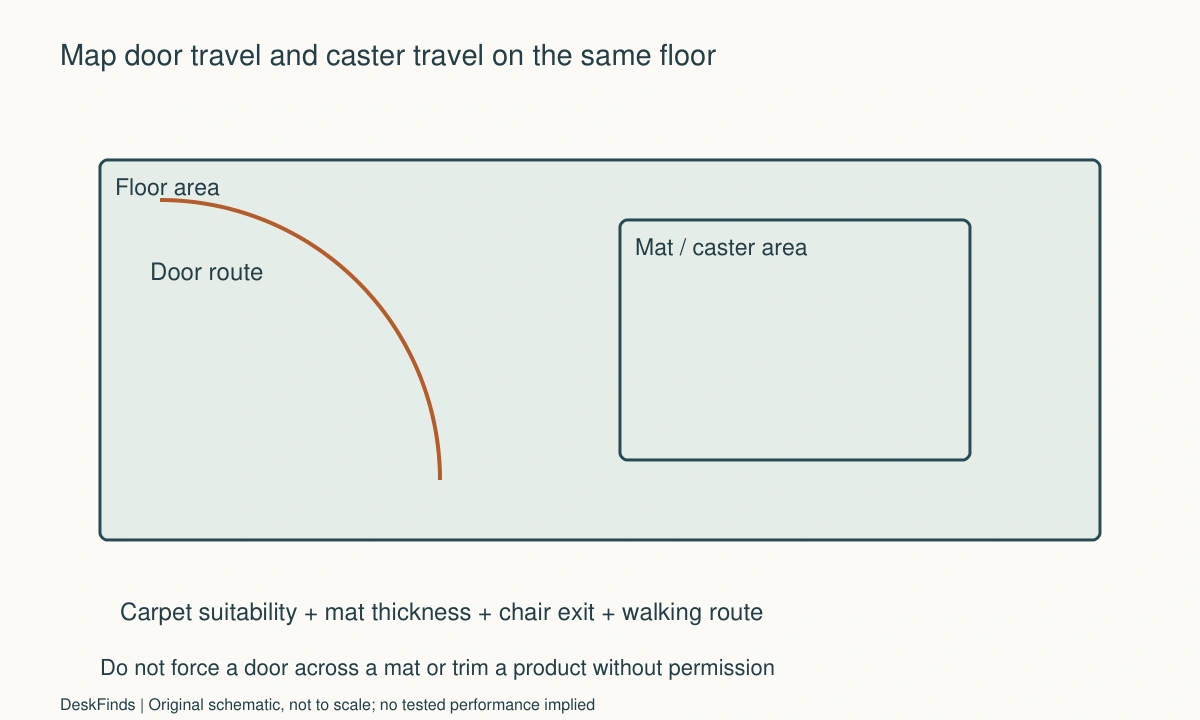
Position the desk and chair as they are normally used. Note the chair’s seated position, approach, exit, and any small turn needed to stand. Mark the approximate caster footprint through those ordinary movements using a suitable non-damaging planning method. Do not reduce the requirement to the width of the seat.
A mat can cover the chair’s centered position while leaving a rear caster near the edge during a normal exit. That repeated transition may be inconvenient even if the chair rolls easily in the middle. Compare usable coverage with the whole routine rather than choosing the smallest mat that hides beneath the chair.
Include any under-desk lip in the outline. Its purpose and supported position depend on the product. A lip can extend coverage where needed, but it should not be treated as a substitute for sufficient width at the chair’s main rolling area.
Trace the door’s complete route
Check the door from closed through the opening actually used, including its lowest point and hardware where relevant. Carpet height and the mat’s thickness both affect clearance. Do not infer that a flexible mat can simply be compressed each time the door passes.
Keep the room’s access clear. A mat that repeatedly shifts into the doorway or forces someone to step over an awkward edge is not a good fit. Do not wedge a door or interfere with required access to preserve a chair layout. If the room has building or accessibility requirements, follow the applicable guidance rather than improvising around them.
The door’s path and the chair’s path may compete for the same region. If no suitable mat fits both, compare moving the desk or changing the supported workstation arrangement. Buying a smaller mat that leaves the chair constantly crossing its edge may not solve the practical conflict.
Compare shapes by usable coverage
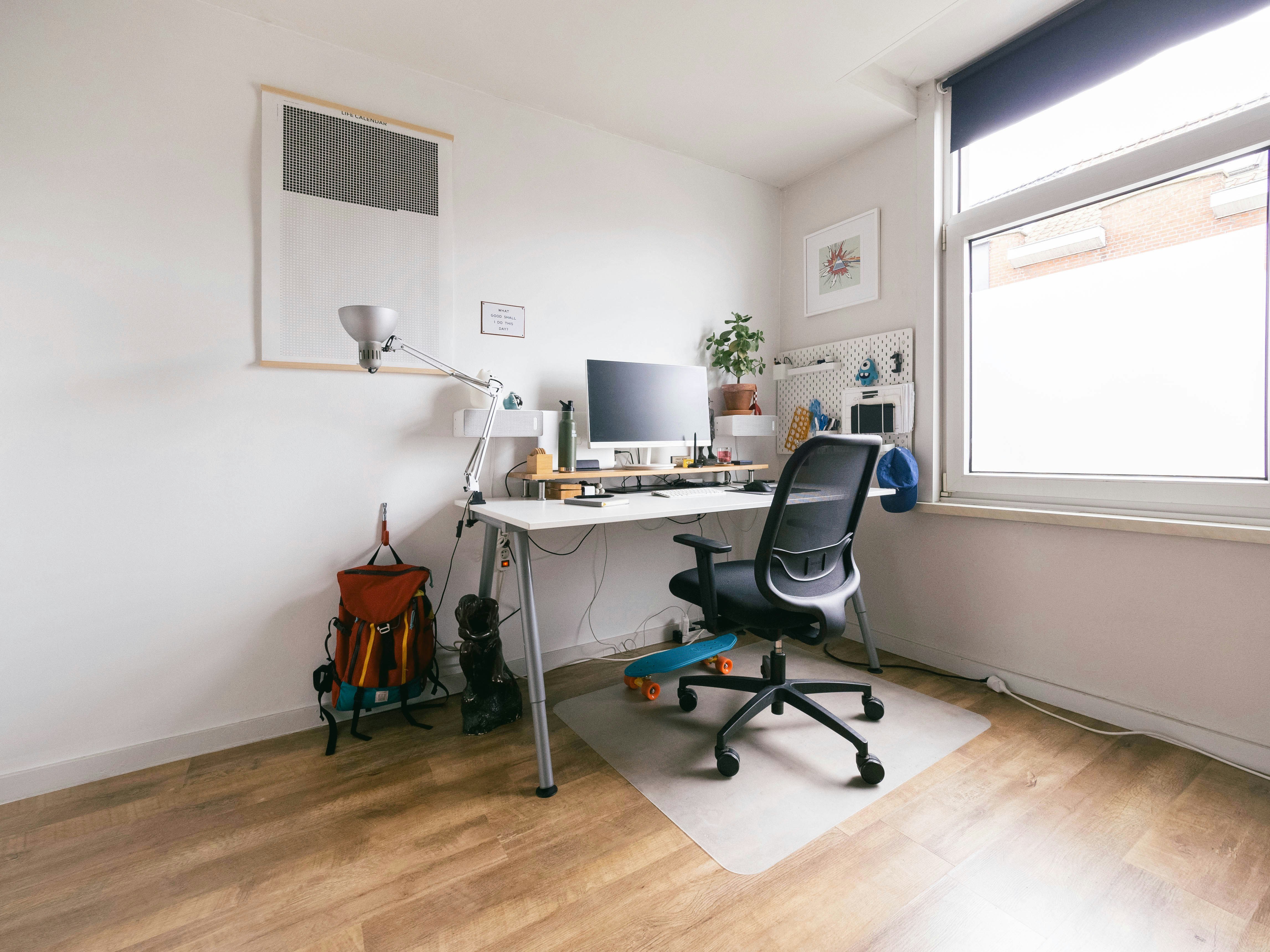
Rectangular, lipped, and other product shapes should be compared against the marked caster region and doorway. The largest outer dimensions can hide a narrow useful section. Look at the actual outline and the manufacturer’s dimensions, not just the nominal size category.
Check any rounded or cut-away area where a caster might travel. A shape that avoids the door may also remove coverage from the chair’s usual exit route. Treat both consequences in the same drawing. Do not assume an irregular shape is more space-efficient merely because it looks designed for a corner.
The chair mat size guide provides measurement context. Keep the product’s floor suitability separate from the outline: a perfect shape in an unsuitable construction is still the wrong shortlist item.
Plan edges and walking routes
Identify where you and other people step when entering, reaching a wardrobe, or moving around the chair. A mat edge in a frequent path deserves attention even when the door itself clears. Use the product only in its intended flat and supported condition, following its installation and care instructions.
Avoid stacking mats or putting an unsuitable soft layer underneath to change height or grip. That can alter the product’s supported use and does not establish a safe transition. If movement, curling, or an unstable edge occurs, follow the maker’s troubleshooting guidance rather than taping the mat down with an arbitrary adhesive.
If another accessory occupies the same floor region, include it. A rolling file cabinet, footrest, or desk mechanism can change the available route. The standing converter fit guide addresses the surface above, but the chair and floor arrangement should be reconsidered whenever the workstation’s task position changes.
Check delivery and installation instructions
Some mats require a particular unpacking or flattening process. Follow the exact product guidance and keep people clear of a tightly rolled product as instructed. Do not apply heat, cut the material, or load it with heavy furniture unless that method is explicitly permitted.
Check whether the chosen size can be brought into the room and positioned without damaging furniture. Clear the floor first and use appropriate assistance if the product requires it. A rigid large mat can be awkward to maneuver even when its final outline fits.
Retain packaging and purchase information until floor compatibility and ordinary use have been checked. If the mat is not suitable, explain the carpet conditions and footprint problem to the seller. A return is preferable to modifying a product in a way that removes its documented use conditions.
Worked example: avoiding the door exposed a caster problem
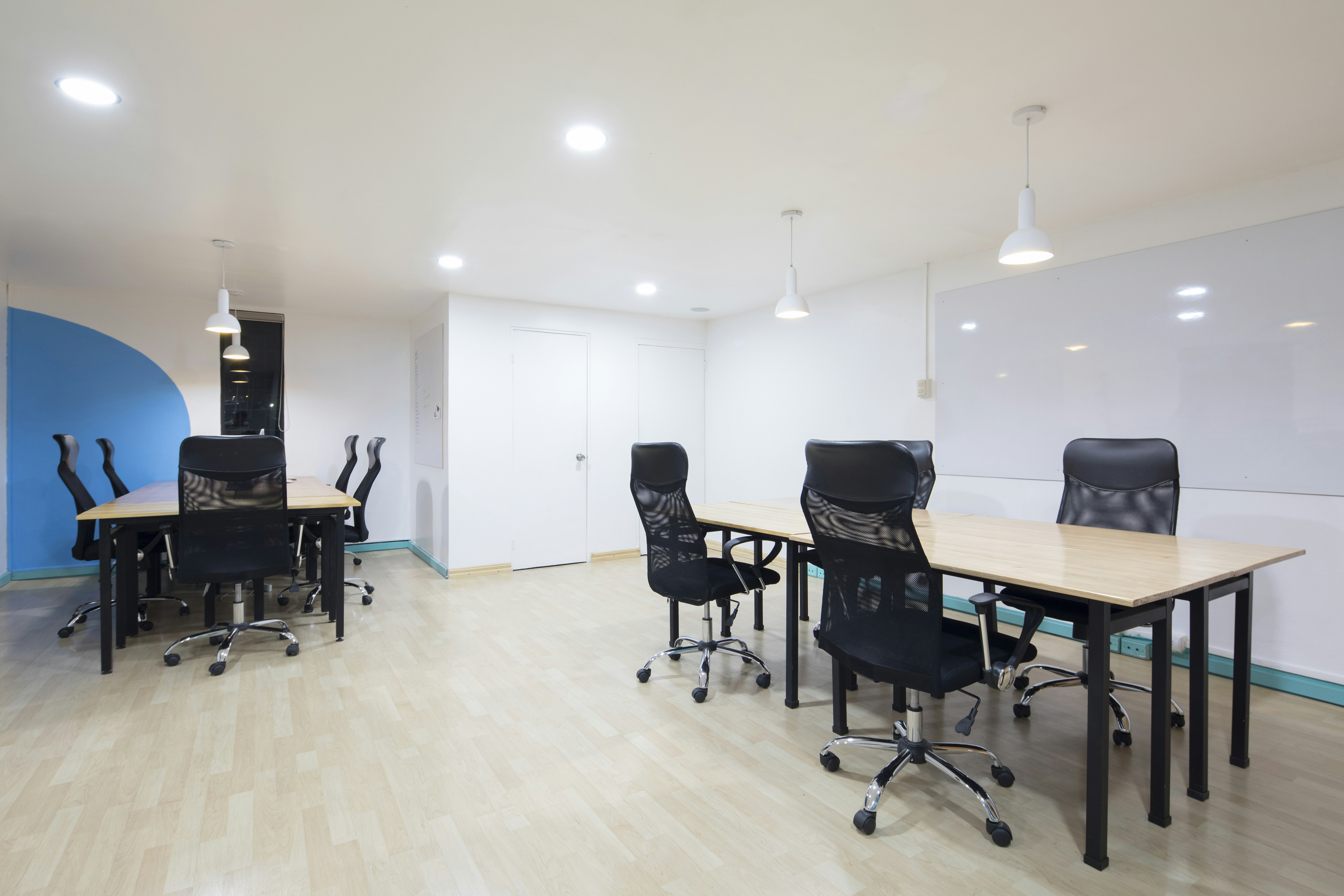
Imagine a hypothetical worker in a carpeted bedroom. A rectangular mat that covers the ordinary chair route extends into the door swing. A narrower model appears to solve the doorway conflict, so the worker nearly chooses it solely from the online dimensions.
A floor outline shows that the narrower mat would place a rear caster at the edge whenever the worker turns to leave the chair. The door problem would be replaced by a daily rolling transition. The worker keeps both requirements in the drawing instead of treating the first solved measurement as the whole decision.
The desk is then compared in another permitted position, with wardrobe access and the walking route included. A carpet-appropriate mat shape is checked against the revised caster envelope. The worker also verifies the mat’s floor-selection requirements rather than assuming the preferred material suits the carpet.
In this hypothetical case, changing the workstation position produces a better supported footprint than cutting the original mat or forcing the door over it. Another room might need a different solution. The example makes no claim about a specific mat’s rolling resistance or trip safety; it shows how to compare the interacting routes before buying.
Review after ordinary use
Check whether the mat stays in its intended position and whether the normal chair route remains covered. Observe the actual door clearance after the product has been installed according to instructions. Do not treat a momentary gap in a paper outline as final evidence for the delivered mat and carpet combination.
If a caster repeatedly leaves the edge, revise the layout rather than training yourself to use an unnatural exit every time. If the mat shifts, follow the manufacturer guidance for the exact floor and product. Repeated repositioning can signal a mismatch that deserves support or a different choice.
Keep the walking route available when the chair is pulled out. The room should work when you are standing and moving, not just while seated. A small-space decision is complete only when the floor protection, door, chair, and other occupants can coexist in ordinary use.
Six records for a useful comparison
Carpet conditions
Record the carpet type and relevant depth or underlay information using the mat maker’s specified method. Include use and load requirements where stated. Do not select by color or material alone. If the condition falls between product categories or is uncertain, ask for confirmation rather than assuming a more expensive mat automatically covers every floor situation.
Caster envelope
Map the wheels through normal approach, work, turning, and exit. Include the chair’s actual position relative to the desk. A seat dimension is not a rolling footprint. If the mat’s outline leaves a wheel near an edge during a repeated action, compare another shape or workstation location before deciding the smaller size is sufficient.
Door clearance
Check the complete door route against the installed mat thickness and carpet conditions. Include the position used for entering with a bag or carrying an item. Do not rely on pushing or dragging the door over the mat. If the paths conflict, preserve access and revise the layout rather than treating a flexible material as automatic clearance.
Walking edge
Trace the route to the bed, wardrobe, and room exit with the chair both occupied and pulled back. Note any mat edge crossing in that route. Use the product in the flat supported condition specified by its maker. A doorway fit should not create a new obstacle elsewhere in the room that was absent from the initial measurement.
Installation and care
Keep unpacking, flattening, cleaning, and surface restrictions with the order. Do not apply an improvised heat treatment or adhesive when the delivered product does not behave as expected. Contact support or use return options. The original product conditions matter more than making an unsuitable size or construction conform to the room by modification.
Shared-space use
Ask other occupants to check their ordinary route without putting them through an obstacle test. Include access when the chair is left in its normal end-of-session position. A mat selected around one person’s seated posture may still interfere with another person’s movement. The final choice should preserve routine access as well as the chair’s supported working area.
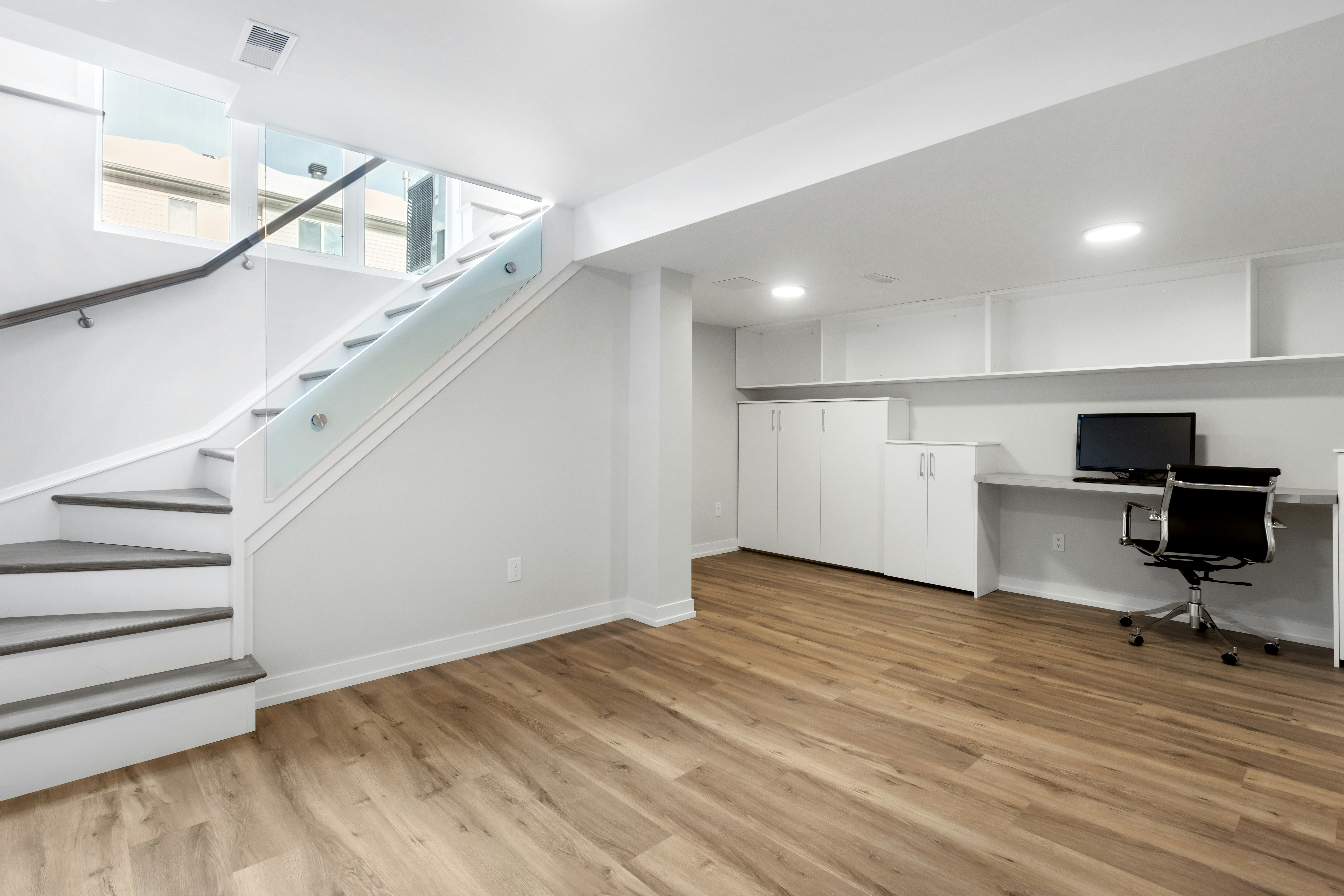
Compare a mat change with a workstation move
When the door and caster envelopes overlap, a different mat shape may help, but it cannot make the room larger. Compare moving the desk or chair position within the room’s permitted arrangement before accepting a mat that leaves repeated wheel transitions. Include wardrobe access, outlets, and other users’ routes in that comparison.
A smaller mat can reduce the door conflict while making the chair’s exit inconvenient. A larger mat can cover the wheels while placing an edge in a frequent walking path. The useful choice balances the actual routes with the product’s floor requirements. Do not award a size a perfect fit based on only the centered seated position.
Keep cost comparisons complete. A different mat may require delivery or handling considerations, while moving the workstation can require a supported cable route and another desk orientation. Neither is automatically the cheaper practical option. The point is to choose a supported room arrangement rather than modifying a mat because its purchase price has already been paid.
A second scenario: the door cleared only when the chair was tucked in
Consider a hypothetical bedroom where a chair mat fits beside the door with the chair pushed fully under the desk. The initial fit check happens in that tidy state. During ordinary work, the chair sits farther back, and entering with a bag requires a wider route than the first outline considered.
The user redraws the room in three states: seated work, standing up, and the end-of-session parking position. The mat remains a fixed object, while the chair and person occupy different regions. A door clearance measured with no person present does not describe the walking route around an occupied chair.
The user checks a different permitted workstation position and a mat shape appropriate to the carpet. The product’s thickness, edge condition, and installation instructions remain part of the comparison. The door is not forced across the mat, and no mat is cut simply to preserve the original desk location.
Another occupant reviews the ordinary route without being asked to navigate a staged obstacle. If the room cannot preserve needed access with the proposed arrangement, the layout is revised. The user does not treat careful daily avoidance as a substitute for a workable shared-space plan.
This hypothetical case illustrates why an empty-room photograph can overstate practical clearance. It does not establish a universal minimum gap or certify a particular doorway arrangement. The room’s real use, relevant requirements, and product instructions decide what is appropriate.
Read material claims in their intended scope
A material description can help shortlist mats, but it does not replace the manufacturer’s floor-selection table, load limits, and use conditions. Avoid concluding that a thicker-looking product suits every carpet or that a rigid material will behave identically on different underlays. The substrate and supported application remain relevant.
Check whether the maker gives separate products or requirements for different carpet depths and usage levels. Use the prescribed measurement method and ask when the floor condition is unclear. Do not estimate capacity by bending the mat or comparing how it feels under a chair in an unsupported test. Ordinary use should begin only within the documented conditions.
If the delivered mat moves or develops an unsuitable edge condition, follow the official care and troubleshooting path. An arbitrary adhesive, stacked layer, or improvised heat treatment can change the arrangement and damage surfaces. Preserve the option to seek support or return the product rather than converting a poor match into a permanent modification.
Finally, check the routine after a normal day. The chair may be left farther out, a bag may be placed beside the desk, or the door may be opened differently. A good plan anticipates those ordinary states and gives each item a clear place, so the mat’s boundaries remain compatible with the room rather than becoming another object people must work around.
Sources and scope
- Floortex selection guidance - Floor-specific selection framework; no universal carpet depth or load rating is asserted.
Editorial note: This is a research-based planning guide, not a hands-on product review. All worked scenarios are hypothetical. Measurements and compatibility must be confirmed for the exact equipment. Photography supplies context, not proof of a tested arrangement.
Photos are illustrative and come from free-license libraries such as Unsplash; diagrams are original to DeskFinds.